

The Autistic-Friendly Classroom Framework
An approach that helps you have a positive impact on ALL your students!
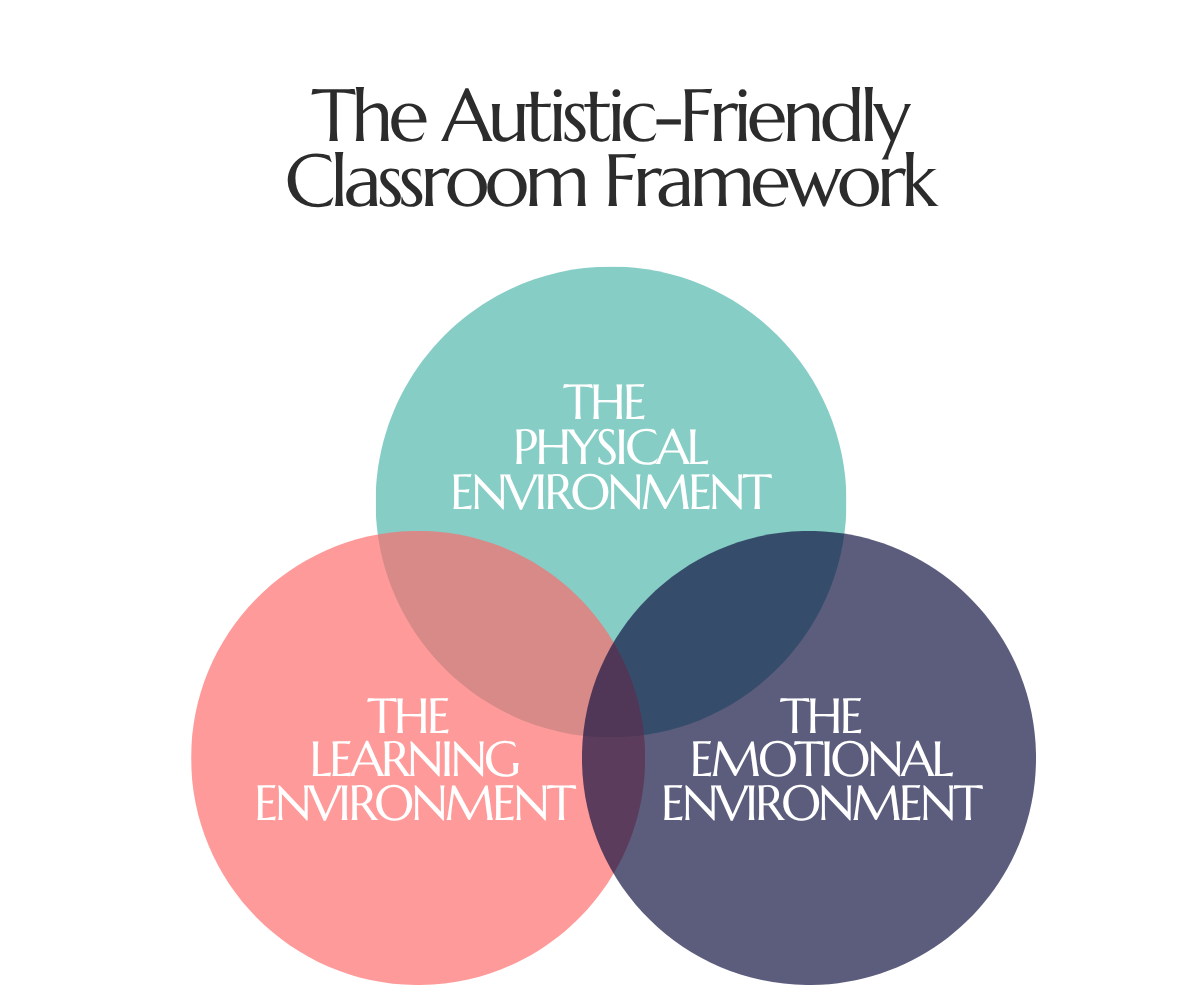
Classrooms today are full of neurodiverse learners—some with diagnoses like ADHD and autism and some with and some without an IEP.
You want every student to feel safe, loved, and be able to learn and thrive—but without the right training in social, sensory-motor, and learning differences, it can feel overwhelming. .
The Autistic-Friendly Classroom Framework gives you a clear, research-informed path to build a physical and emotional foundation that supports regulation, learning, and executive functioning for every student.
Most importantly, you’ll walk away confident that you’re making a real, positive difference.
Our Process
-

Understand how the autistic students needs and differences may impact on the their behavior in the classroom.
-

Create a physical environment to support regulation through reducing stressors and supporting sensory differences.
-

Cultivate an emotional environment in which the student feels valued, connected and co-regulated.
-

Integrate supports into classroom routines to facilitate on-task behavior, reduce behaviors and the load on the teacher.
-

Reflect through coaching so the teacher can integrate these concepts into their unique classroom.
Foundation for The Autistic Friendly Classroom Framework
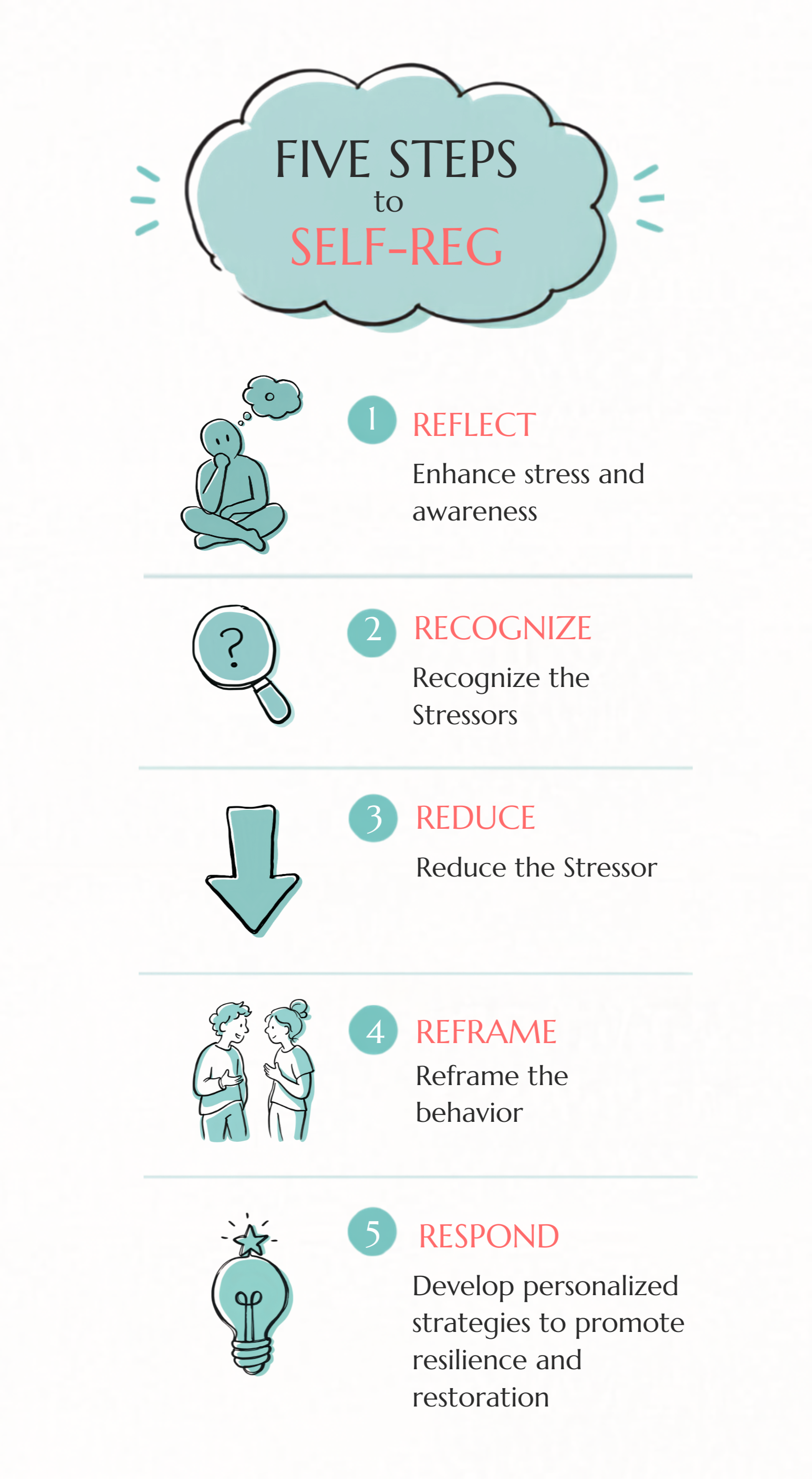
The Self-Reg model provides an understanding of self-regulation through a holistic, relationship, and energy based approach.
This model is integrated throughout the steps of the Autistic Friendly Classroom Framework to support reflection and increase understanding of how a student’s energy levels affects their behavior and participation.
“You can’t pour from an empty cup.”
While stress is a necessary part of life - reducing biological, cognitive, emotional, social, and prosocial stressors where possible in the classroom and school, as well as creating a positive relationship, supports the student’s capacity to regulate and improve participation.
Reflection is a key part of this model and applied throughout the Autistic Friendly Classroom Framework as it helps the teacher AND the student identify what is working and what strategies need to be modified.
"See a child differently, and you’ll see a different child”
Stuart Shanker

Sensory Processing is the integration of our senses and, in part, responsible for safety, regulation and learning.
Our sensory systems help us integrate information from the environment (sound, touch, light, etc) and our body (movement, taste, a full belly, for example) to make sense of what is going on around us. How we process sensory information helps us to identify if something feels safe.
Sensory integration theory created by A. Jean Ayres and the ASECRET model created by Lucy J. Miller helps us to understand sensory processing difficulties and how to support regulation in children with sensory challenges.
Sensory challenges impact the student’s nervous system and can create a fight or flight reaction. This means the sympathetic nervous system response is activated. It is normal for the sympathetic system to kick in throughout the day. However, if it is activated excessively and the student does not have time to reset, this can deplete their energy and impact their capacity to participate.
At school, we cannot change the child’s ability to process sensory input, but we can adapt the environment in order to reduce the amount of sensory stress so the student can regulate their nervous system throughout the day.